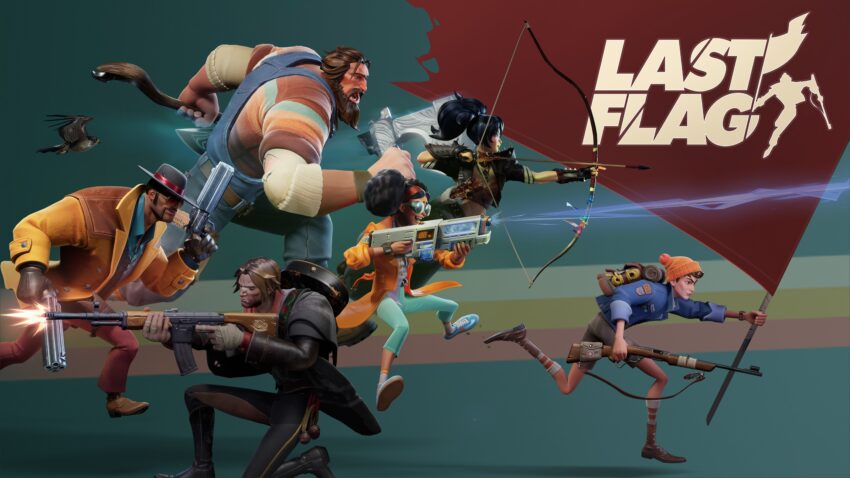
Dan Reynolds, best known as the electrifying frontman of Imagine Dragons, has spent more than a decade captivating global audiences with anthemic hits, emotionally raw songwriting, and high-energy performances. But in recent years, Reynolds has increasingly broadened his creative footprint beyond music. One of the most intriguing steps in this evolution is his move into the world of video games—a transition that may sound unexpected at first, but makes perfect sense once you understand his creative philosophy, personal interests, and the vision he shares with his brother, Mac Reynolds. Together, the two launched Night Street Games, an independent studio with a bold ambition: to create immersive, story-rich multiplayer experiences that fuse emotional depth with cutting-edge gameplay. Their first major project, Last Flag, is currently in development and slated for release in 2026 on PC, via Steam and the Epic Games Store.
Reynolds didn’t arrive at game development by accident. Throughout his life, he has spoken openly about the crucial role that storytelling, world-building, and emotional resonance play in his creative process. In interviews, he has often described his fascination with how music intersects with other art forms—film, narrative, visual aesthetics—and how he seeks ways to build immersive experiences for fans. His music, especially the work of Imagine Dragons, often touches on themes of struggle, resilience, identity, and connection—topics that translate naturally into the narrative potential of interactive media. For Reynolds, venturing into games is not a departure from his musical identity but an extension of it, a chance to explore new emotional landscapes through an entirely different artistic medium.
But the genesis of Night Street Games was not his alone. Reynolds’ brother Mac, who has long been involved with Imagine Dragons as their manager and creative collaborator, has his own deep-rooted interest in digital entertainment. Over the years, as both brothers continued to build careers centered around artistic expression, the idea of creating a studio together became an irresistible possibility. They envisioned a team where creativity could thrive free from corporate constraints—a space where artists, developers, writers, and designers could chase innovative ideas without being boxed in by industry trends.
From that shared vision, Night Street Games was born. The studio was built on two foundational principles: emotional storytelling and community-driven multiplayer design. Unlike many indie studios that prioritize pixel art nostalgia or experimental mechanics, Night Street Games aims to bridge the gap between AAA polish and indie authenticity. Their goal is not merely to produce a fun game but to craft an experience that lingers with players long after they disconnect—much like the lingering emotional echoes of a meaningful song.
Their debut title, Last Flag, embodies this mission. While many details about the game remain closely guarded, the core concept is known: Last Flag is a multiplayer game set in a world shaped by shifting alliances, competitive strategy, and deeply personal storytelling. Players will not simply compete in isolated matches; they will be participating in the unfolding narrative of a dynamic world shaped by their actions. The team has hinted that the game blends exploration, cooperative elements, and strategic confrontation—an experience meant to attract players who appreciate emotional stakes and team-driven challenges.
One of the most intriguing elements of Last Flag is that it features new original music from Dan Reynolds. This crossover between his musical and gaming pursuits gives the project a unique creative signature. Reynolds has always believed that music is a powerful tool for emotional immersion, and in the gaming medium, that belief becomes even more potent. Soundtracks can define tone, elevate tension, and deepen narrative arcs. By crafting music specifically for Last Flag, Reynolds is weaving his artistic DNA directly into the fabric of the game itself.
The decision to release Last Flag on Steam and Epic Games Store is strategic. These platforms are the primary hubs for PC gaming and offer massive, highly engaged communities. Steam, with its vast user base and culture of discovery, is perfect for indie studios hoping to reach passionate players who love supporting creative new titles. Epic, on the other hand, offers strong developer support and a reputation for spotlighting innovative projects. By choosing both platforms, Night Street Games is positioning Last Flag to reach a wide variety of gamers—competitive players, story-focused players, and fans of Reynolds’ music alike.
Creating a video game, especially one with multiplayer infrastructure and emotional storytelling, is an enormous undertaking. It requires collaboration across disciplines—coding, art, sound design, UX, narrative development, and more. Night Street Games assembled a team that shares the Reynolds brothers’ passion for emotional creativity. Many indie studios struggle with limited resources, long timelines, and the technical challenges of multiplayer game development. Yet the promise of Last Flag has generated significant anticipation because of the studio’s focus on quality and the unique artistic blend they bring to the project.
What makes this shift so fascinating is how it reflects Reynolds’ trajectory as an artist. His career has been defined not only by musical success but by an ongoing search for new ways to communicate meaning. From his activism in mental health and LGBTQ+ rights to his documentary projects and philanthropic work, Reynolds consistently seeks platforms that allow deeper conversations with audiences. Video games—interactive, communal, and emotionally powerful—provide an extraordinary opportunity for this.
The timeline for Last Flag places its release in 2026, giving the studio time to refine gameplay, polish mechanics, and build the kind of robust infrastructure modern multiplayer titles require. Early glimpses of the game, shared in interviews, suggest a visual world marked by grit, tension, and atmospheric intensity. Yet like much of Reynolds’ music, it appears to blend darkness with hope, challenge with community, and conflict with emotional meaning.
The announcement that Reynolds is involved in game development has already generated considerable excitement among Imagine Dragons fans. Many are eager to see how his musical and narrative sensibilities translate into a new medium. Others are intrigued simply by the novelty of a globally recognized musician diving into the game industry in such a hands-on way. But perhaps the most compelling aspect is that Reynolds isn’t merely lending his name—he is actively shaping the project, contributing music, ideas, and creative direction.
As the release date approaches, Last Flag may become one of the most closely watched indie titles of 2026, not only because of Reynolds’ involvement but because of the studio’s commitment to creating something meaningful in a landscape filled with transient trends. If Night Street Games succeeds, they won’t just deliver a good game—they’ll demonstrate how musicians, storytellers, and innovators can cross creative boundaries in ways that enrich both industries.
In many ways, Last Flag represents the next chapter in Dan Reynolds’ artistic journey—a chapter that blends music, storytelling, technology, and emotional depth into a single, interactive experience. And for fans who have followed his career from the early days of Imagine Dragons, it marks an exciting evolution: a new world to explore, shaped by the same voice that has moved millions through song.